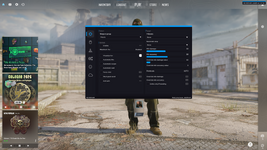
guys guys i found it i told the ai to edit this python shit and he did
he givme this
local_server.py
from flask import Flask, Response
import threading
import os
app = Flask(__name__)
# Dynamically resolve the directory where this script is located
BASE_DIR = os.path.dirname(os.path.abspath(__file__))
request_counters = {
'system_info': 0
}
counter_lock = threading.Lock()
def get_next_id(endpoint):
with counter_lock:
request_counters[endpoint] += 1
return request_counters[endpoint]
def get_file_content(path):
try:
with open(path, 'rb') as f:
return f.read()
except FileNotFoundError:
return f"File not found: {path}".encode()
@app.route('/login', methods=['GET', 'POST'])
def login():
# Direct path to the requests folder next to the script
path = os.path.join(BASE_DIR, 'requests', 'login', 'response_content.json')
content = get_file_content(path)
return Response(content, status=200, mimetype='application/json', headers={'Connection': 'close'})
@app.route('/info', methods=['GET', 'POST'])
def info():
path = os.path.join(BASE_DIR, 'requests', 'info', 'response_content.bin')
content = get_file_content(path)
return Response(content, status=200, mimetype='application/octet-stream', headers={'Connection': 'close'})
@app.route('/system/info', methods=['GET', 'POST'])
def system_info():
req_id = get_next_id('system_info')
path = os.path.join(BASE_DIR, 'requests', 'system_info', f'response_content_{req_id}.bin')
content = get_file_content(path)
return Response(content, status=200, mimetype='application/octet-stream', headers={'Connection': 'close'})
if __name__ == '__main__':
app.run(host='127.0.0.1', port=1488)
and he givme this
The Problem:
The script failed with an IndentationError due to misaligned spaces/tabs in the code structure. Additionally, the file paths were hardcoded to a specific directory (C:/neverfair_crack/...), causing it to break on other computers where the folder structure or drive letter (like D:\) was different.
The Fix:
- Fixed the Python code indentation.
- Changed the paths to be dynamic (os.path.join(BASE_DIR, ...)), so the script automatically detects the requests folder regardless of where it is saved or who runs it.
How to Run the Local Server:
1. Requirements:
- Make sure you have Python installed on your system.
- Install Flask by running this command in your terminal/cmd:
pip install flask
2. Folder Structure:
- Ensure that the "requests" folder is placed directly in the same directory as the "local_server.py" file.
- Example:
├── local_server.py
└── requests/
├── login/
├── info/
└── system_info/
3. Running the Server:
- Double-click on "run_server.bat" (if provided), or open your command prompt, navigate to the folder, and run:
python local_server.py
- The server will start locally at
You must be registered for see links